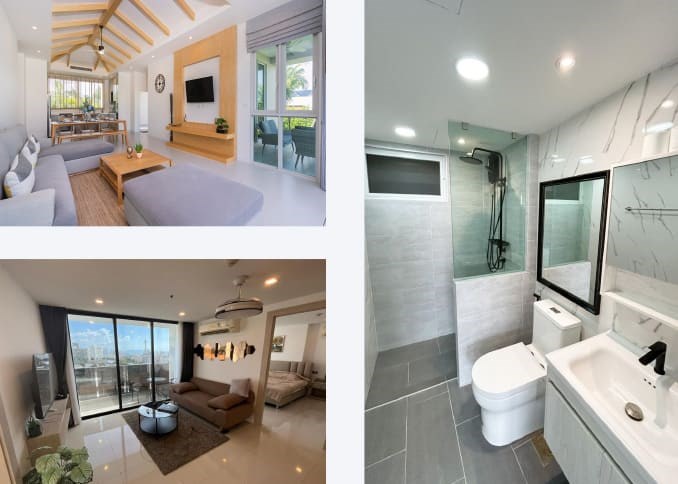

Real Estate Hub Thailand
Find a property today

Real Estate Hub Thailand
Find a property today

Buy and Sell
Your property in one place!
Don't miss out!
Properties Resale
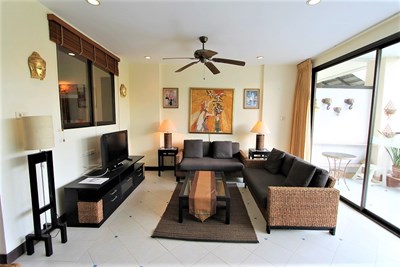
Incredible prices
Hot properties deals
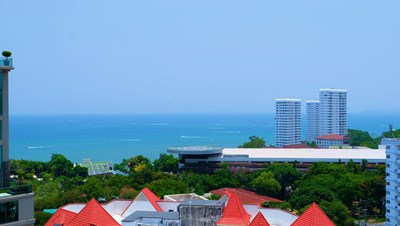
The Cliff, 1 Bed Room with Sea View
฿
2,500,000

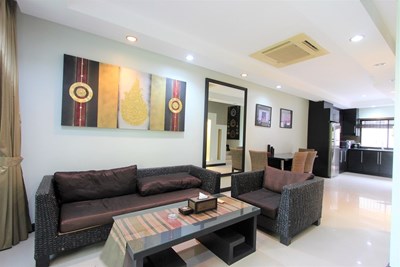
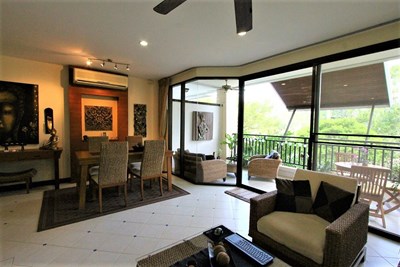
Palm Grove Resort, 2 bed Townhouse
฿
3,200,000
Real Estate Hub Thailand
Our Dedicated Service to You.
We can take the stress away from you of buying a new property can create. Real Estate Hub Thailand is your premier real estate agency in Thailand. We pride ourselves on our professionalism, dedication, and our ability to meet all our clients’ needs. We have some of the best value condominiums for sale in Pattaya, Bangkok, and other major cities across the country on Real Estate Hub Thailand's, No.1 property portal. Real Estate Hub Thailand is founded and built on extremely high values, which has made us grow into becoming the ultimate in the competitive real estate industry. Each and every individual employed at Real Estate Hub are passionate about what they do and go above and beyond compare to ensure each and every client is completely and entirely satisfied.

Real Estate Hub Thailand
Latest Properties for Sale
-776923.webp "Newly Built Pool Villa in Huay Yai")
Newly Built Pool Villa in Huay Yai
฿
11,900,000
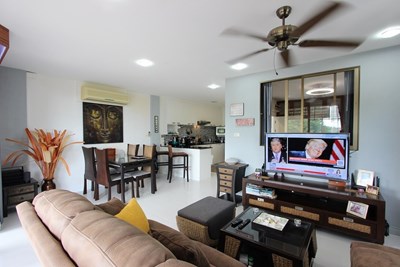
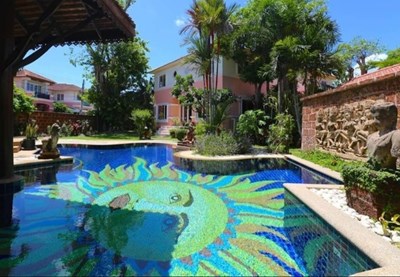
Central Park 3, Spacious 6 Bed Room House
฿
25,000,000
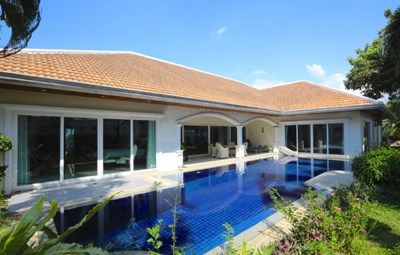
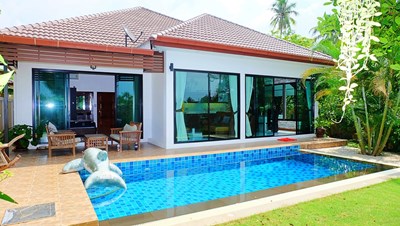
Garden Ville, 3 Bed, Pool Villa
฿
6,700,000
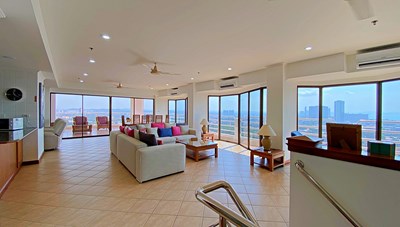
View Talay 2, 3 Bed Duplex, Sea View
฿
14,000,000
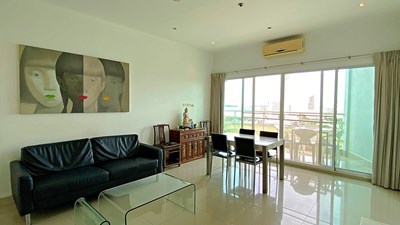
-525420.JPG "Sunset Boulevard, 1 bed Corner Unit, Sea View")
Real Estate Hub Thailand
Latest Properties for Rent
Real Estate Hub Thailand
Our Dedicated Service to You.
We can take the stress away from you of buying a new property can create. Real Estate Hub Thailand is your premier real estate agency in Thailand. We pride ourselves on our professionalism, dedication, and our ability to meet all our clients’ needs.
Do you want to
Sell a Home
Considering selling your home? It doesn’t have to be stressful. Let us manage the entire process for you, ensuring a smooth and seamless experience from start to finish.
Are you looking to
Buy a Home
That’s why we’re here. Let’s talk about location, budget, and all other factors to find your perfect new home. Your ideal home is within reach, and we’ll help you get there.
Why Real Estate Hub Thailand is the perfect choice?
Real Estate Hub Thailand is your trusted partner in Pattaya real estate. With years of experience, we offer a wide range of properties, expert advice, and seamless transactions.
52
Condos for sale
69
Condos for rent
98
Houses for sale
125
Houses for rent

Real Estate Hub Thailand
Message us today & have your property shared across our social media platforms.